
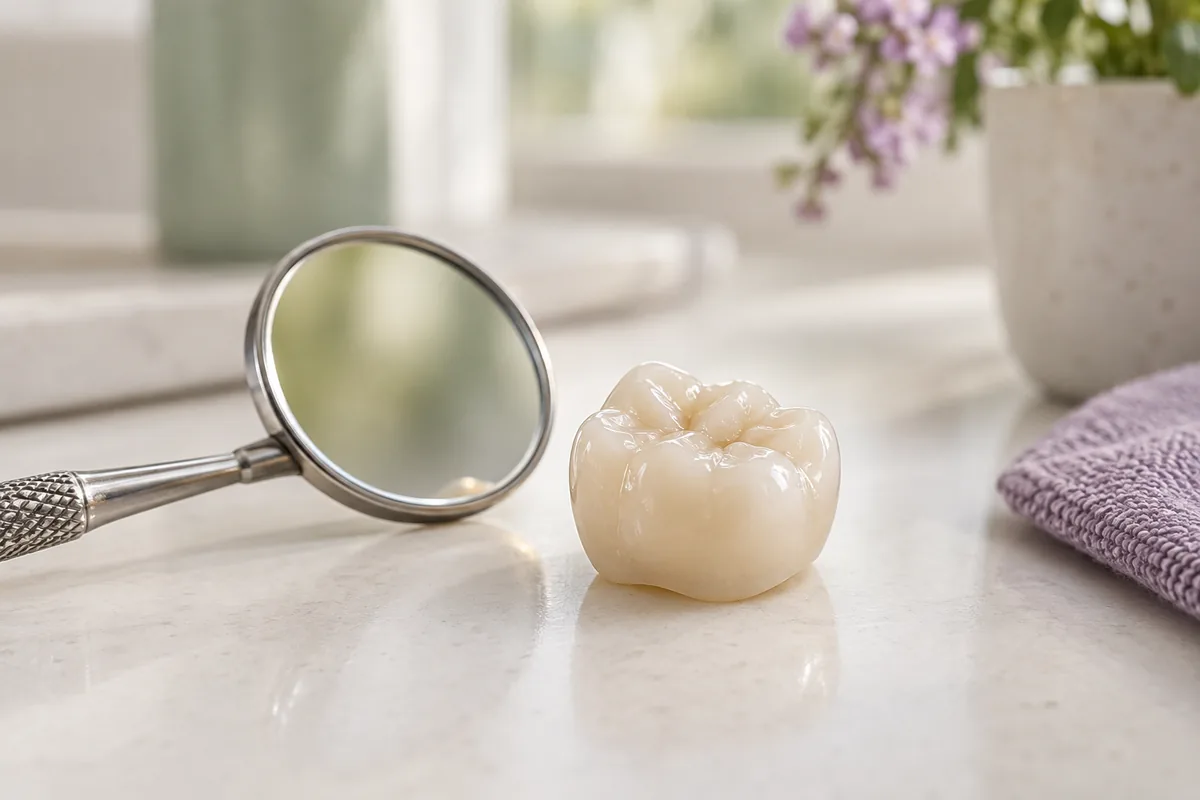
A filling repairs a damaged area within a tooth. A crown covers more of the remaining tooth and may be recommended when it needs additional support. The right choice depends on how much healthy tooth remains, the type of damage, and your bite.
Being told that a tooth needs a crown can raise an understandable question: could a smaller filling do the job? The answer depends on the tooth in front of your dentist, not just the name of a procedure. When comparing a crown or filling in Greenville, TX, ask what the examination shows and what each option is expected to accomplish.
When might a filling be appropriate?
A dentist commonly treats a cavity by removing decayed tissue and restoring the space with a filling material. If enough sound tooth structure remains, a filling may restore the damaged area without covering the whole tooth. The dentist also considers the location of the cavity and existing dental work.
Ask to see an image or explanation of the affected area. Understanding where damage sits is more helpful than assuming that every cavity needs the same treatment. Our dental fillings information introduces this restorative option.
Why might a dentist recommend a crown?
A tooth with extensive damage, a large existing filling, or a weakened or broken area may need more coverage and support. A crown can restore the tooth’s shape and function while covering the remaining prepared tooth. Crowns can also be used as part of other treatments.
The recommendation should include a discussion of whether the tooth can be predictably restored, what alternatives exist, and what could happen if care is delayed. A crown is not a guarantee against every future dental problem. Read more about crowns and bridges at Longbranch Dental Center.
How do you compare the treatment plans?
Ask about the number of appointments, the material being recommended, temporary protection if needed, and follow-up. If a tooth is painful, ask whether the nerve and surrounding tissues also need evaluation. Repairing the outside of a tooth and treating a problem inside it are different decisions.
Request an estimate that explains what is included. Insurance benefits, deductibles, and coverage limits vary; a benefits estimate is not a promise of payment. Our insurance information can help you prepare questions for the office.
Caring for a repaired tooth
Fillings and crowns still need daily care and regular dental examinations. Brush with fluoride toothpaste, clean between teeth, and report a bite that feels high or discomfort that persists. Restorations can wear or require replacement, so keeping follow-up visits gives your dentist a chance to monitor the repair.
Common questions
Does every large cavity need a crown?
No. Size matters, but so do location, remaining tooth structure, cracks, and bite forces. Your dentist must evaluate the individual tooth.
Can a crowned tooth still get decay?
Yes. The natural tooth at the edge of a crown remains vulnerable to decay. Daily cleaning and dental follow-up remain important.
Do crowns and fillings last forever?
No restoration is guaranteed to last a lifetime. Material, oral health, habits, and the condition of the tooth affect future maintenance needs.
Sources and further reading
This article provides general education. A dental examination is needed for individual diagnosis and treatment recommendations.