
Full dentures replace all teeth in an arch, while partial dentures replace some missing teeth. The right design depends on your remaining teeth and oral health. A comfortable fit usually requires careful planning, follow-up, and adjustments over time.
Choosing dentures can bring practical questions that deserve clear answers: how will they feel, what can you eat, and what happens if a sore spot develops? If you are exploring dentures in Greenville, TX, the consultation should address daily use as well as appearance. A good plan includes what happens after the denture is delivered.
How do full and partial dentures differ?
A full denture replaces a complete upper or lower set of teeth. A partial denture fills selected spaces while some natural teeth remain. The design of a partial depends on the position and health of those teeth, and may use clasps or other attachments.
Some treatment plans use implants to help support or retain a denture. Ask whether that is appropriate for you and how it affects removal, cleaning, cost, and treatment time. Our denture service information and implant information can help you prepare that conversation.
What should you expect while adjusting?
New dentures can feel unfamiliar at first. Speaking and eating may take practice, and follow-up appointments allow the dentist to assess sore areas and the bite. Persistent pain, rubbing, or instability should be checked rather than accepted as something you must simply tolerate.
Ask for instructions about wearing time, food choices, and when to return. If teeth are removed as part of the plan, healing can change the shape of the supporting tissues. Discuss whether adjustments, relining, or a later remake may be needed and which services are included in the estimate.
How should you clean and protect dentures?
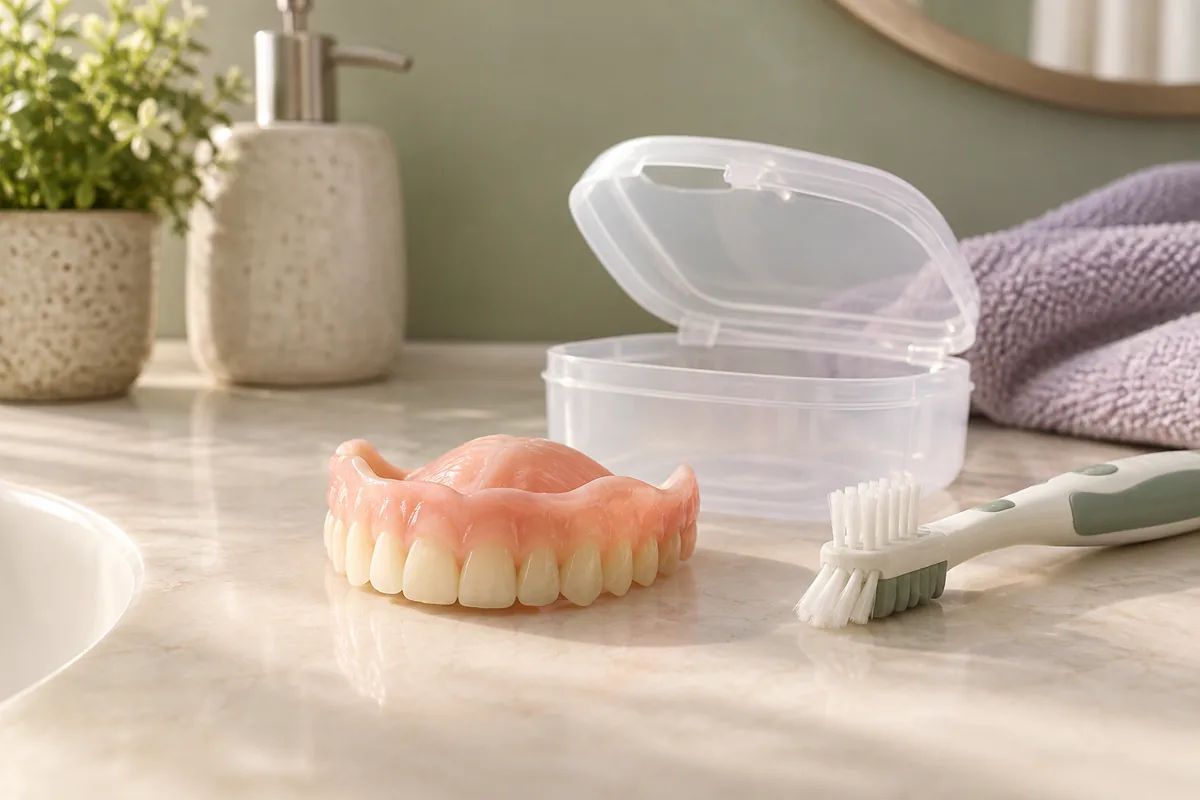
Clean dentures daily using the method and products recommended for their material. A soft brush and non-abrasive cleanser are commonly recommended. Clean your mouth as well, including any remaining natural teeth. Follow the instructions for removing and storing your particular denture.
Do not bend clasps, file rough areas, or use household glue for a break. A small home adjustment can change the fit in ways that are hard to judge. Contact the dental office if the appliance becomes damaged or no longer fits comfortably.
Questions for your Greenville denture consultation
- Which teeth can be kept, and what treatment would they need?
- What type of denture is being recommended, and why?
- What should I expect during healing or adjustment?
- Which follow-up visits, repairs, or relines are included?
- How should I clean this specific appliance?
Longbranch Dental Center also provides information about its in-house denture lab. Ask how laboratory and clinical visits apply to your individual treatment plan; turnaround depends on the work needed.
Common questions
Should a new denture hurt?
Some adjustment may be needed, but persistent soreness or pain should be evaluated. Contact your dentist for an adjustment rather than modifying the denture yourself.
Can I use adhesive to fix a loose denture?
Adhesive may be appropriate in some situations, but it does not replace an evaluation of a poorly fitting denture. Ask your dentist about the fit and product use.
Do I still need dental visits with full dentures?
Yes. Your dentist should examine the mouth and check the fit and condition of the dentures even when no natural teeth remain.
Sources and further reading
This article provides general education. A dental examination is needed for individual diagnosis and treatment recommendations.